
Lab
Automation

In the rapidly evolving field of biotechnology, lab automation has become a cornerstone of efficient and reliable research. SPT Labtech specializes in advanced lab automation solutions focusing on liquid handling and sample management technologies. Our innovative technologies are designed to streamline workflows, enhance precision, and increase productivity in laboratories worldwide.

What is Lab Automation?

What is Lab Automation?

Lab automation refers to the use of advanced technology, including robotics, software, and integrated systems, to execute laboratory tasks with minimal human involvement. From sample preparation and pipetting to high-throughput screening and data analysis, automated systems streamline complex workflows across research, clinical, and industrial labs.

By integrating hardware and software, laboratories can dramatically increase productivity, improve data accuracy, and achieve greater reproducibility—key components in scientific research, diagnostics, and pharmaceutical development.

Why Lab Automation Matters

Lab automation plays a pivotal role in modern scientific and industrial research by addressing some of the biggest challenges faced in laboratory environments today—namely, efficiency, accuracy, scalability, and data integrity. As laboratories are under increasing pressure to deliver faster results, handle larger sample volumes, and maintain compliance with strict regulatory standards, manual processes often become bottlenecks that limit productivity and introduce variability. Automation solves these problems by enabling labs to perform complex, repetitive, and high-throughput tasks with consistent precision, 24/7.

In fields like clinical diagnostics, drug discovery, genomics, and environmental testing, the demand for speed and reproducibility has never been greater. Automated systems not only accelerate routine workflows, such as pipetting or plate handling, but also ensure data consistency and support digital integration with Laboratory Information Management Systems (LIMS). This digital transformation empowers scientists and lab managers to make faster, data-driven decisions while reducing operational costs and human error.

Ultimately, lab automation isn’t just about streamlining tasks—it’s about empowering innovation, ensuring quality, and giving laboratories the competitive edge they need in a data-intensive, high-demand landscape


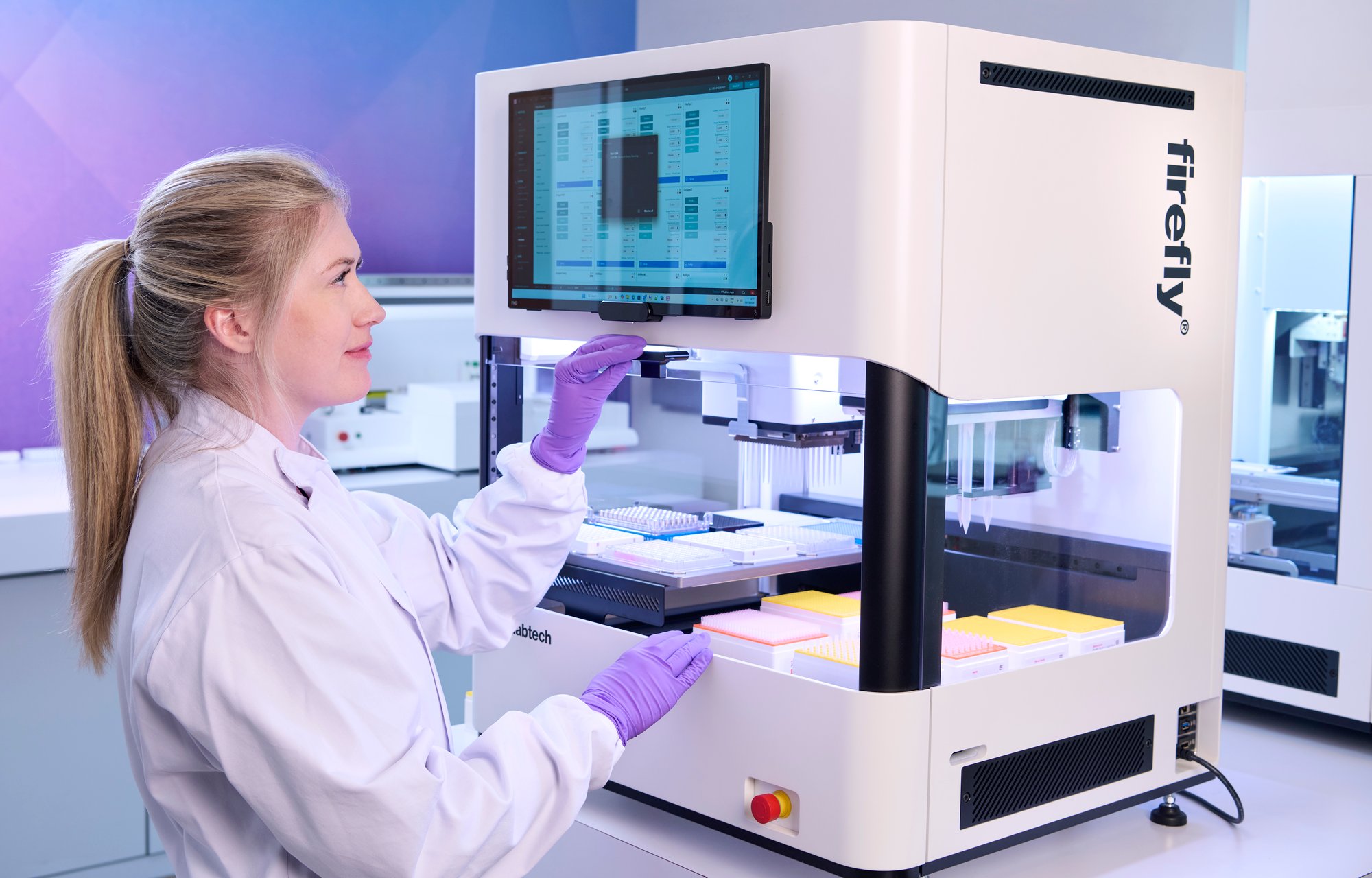
firefly plus front facing liquid handler mobile(1)

Benefits of Lab Automation

Increased Efficiency:

Manual errors in pipetting or timing can lead to flawed data. Automated systems follow precise protocols every time, minimizing variability and ensuring high-quality results.

Enhanced Accuracy and Precision:

Manual errors in pipetting or timing can lead to flawed data. Automated systems follow precise protocols every time, minimizing variability and ensuring high-quality results.

Scalability and Flexibility:

Whether you're processing a few hundred or several thousand samples, automated workflows can be scaled to meet changing demands. Modular platforms also allow labs to reconfigure systems as research evolves.

Cost-Effective:
Cost-Effective:

While the initial investment can be high, lab automation reduces long-term costs by decreasing labor demands, minimizing reagent waste, and preventing costly rework caused by human error.

Improved Data Management:

Many systems come with built-in Laboratory Information Management Systems (LIMS), ensuring real-time data capture, traceability, and compliance with industry regulations such as GLP, GMP, and FDA 21 CFR Part 11.

How to Choose a Lab Automation System

Not all lab automation systems solve the same problem, so the right starting point isn't a product list - it's your workflow. Before comparing vendors, weigh each option against six criteria:

  • Throughput and scalability. Can the system handle your current sample volumes and grow with you, from a few hundred to several thousand samples, without a full re-platform?
  • Footprint and lab space. Bench-top and modular systems can free up prime lab real estate compared with large, fixed installations - a real factor if space is at a premium.
  • Software and LIMS/data integration. Look for built-in data capture and compatibility with your existing Laboratory Information Management System, particularly if you operate under GLP, GMP, or FDA 21 CFR Part 11.
  • Regulatory readiness. Regulated environments need traceability and audit-ready records built in from day one, not bolted on later.
  • Service and support model. Installation, training, and ongoing troubleshooting support materially affect time-to-value - ask how quickly a vendor's team can get a new system fully validated and running.
  • Total cost of ownership. Weigh the upfront investment against labor hours saved, reagent and consumable waste avoided, and the cost of rework from manual error - see the ROI section below for real figures.

 Once you know which of these matter most for your lab, the choice between a modular workstation, an integrated robotic system, or a single automated liquid handler becomes much more concrete.

Common Lab Automation Applications

  • Clinical Diagnostics: Automated blood analyzers, PCR setup, and pathogen screening

  • Pharmaceutical R&D: High-throughput compound screening, ELISA processing, and assay development

  • Genomics and Proteomics: DNA/RNA extraction, next-generation sequencing prep

  • Biobanking: Sample tracking, storage management, and retrieval automation

  • Food & Environmental Testing: Contaminant detection and quality control at scale

firefly V2 with scientist 2

Types of Lab Automation Systems


 Modular Lab Workstations

Flexible systems that automate individual tasks (e.g., pipetting, heating, or imaging) and can be integrated into broader workflows.

 Integrated Robotic Systems

Fully automated solutions combining multiple instruments, ideal for high-throughput labs needing end-to-end automation.

 Automated Liquid Handlers

Precision tools designed to pipette, dispense, and aspirate liquids across multiple samples simultaneously.

 Scheduling and Control Software

Orchestration platforms that manage instrument timing, track samples, and ensure seamless workflow integration.

Lab Automation Cost and ROI

Lab automation is a real upfront investment, but the payback shows up in three places: time, reagent and material waste, and reduced rework from manual error. Some real examples from labs running SPT Labtech systems:

  • 75% faster turnaround. The University of Michigan's Advanced Genomics Core compressed a 384-sample SMART-Seq library prep workflow from 12 days by hand to 3 days on an automated firefly system.
  • Up to 82% faster sample retrieval. In an Abcam case study, retrieving 100 tubes from automated storage took 6 minutes 40 seconds, versus 36 minutes 40 seconds manually.
  • Protocols running in days, not weeks. A University of Michigan team member with no prior automation experience designed, tested, and successfully ran a new protocol in 2 days.
  • Material savings from miniaturization. Over 99% of synthesized compound material typically goes unused in early-stage drug discovery - a key driver behind Boehringer Ingelheim's move to smaller-scale, automated compound handling to cut that waste.

These figures come from customers' own published workflows, not vendor projections - see the sourcing table below for links to each full story.

12 days → 3 days

384-sample SMART-Seq prep, University of Michigan Advanced Genomics Core using firefly

36m 40s → 6m 40s

100-tube sample retrieval, Abcam using comPOUND

22s → 8s

Single-sample retrieval, Abcam using comPOUND

>99% wasted

Typical unused synthesized material in early discovery - the miniaturization problem automation addresses -  Boehringer Ingelheim

1 module = 10 freezers

Storage density, comPOUND vs. standard -80°C freezers at Abcam


Is Lab Automation Right for Your Lab?

Determining whether lab automation is right for your laboratory depends on several key factors. If your lab routinely handles large volumes of repetitive or time-sensitive tasks, automation can greatly improve throughput and operational efficiency. Labs experiencing growth or planning to scale their operations will also benefit from the flexibility and scalability that automation systems provide. Additionally, if you're operating in a regulated environment—such as clinical diagnostics, pharmaceutical research, or food safety testing—automated systems help ensure compliance with stringent industry standards by offering traceability, auditability, and consistent data handling. Lab automation is especially valuable for organizations looking to minimize human error, reduce turnaround time, and maximize resource utilization. Whether you're a research lab aiming for reproducibility or a commercial lab seeking to boost ROI, implementing the right automation solution can transform your workflows and significantly enhance your lab’s performance.

Lab automation isn’t just about convenience—it’s a strategic investment in quality, scalability, and competitive advantage. Whether you're a biotech startup, clinical testing lab, or research institution, automating your lab processes can unlock new levels of innovation and efficiency.

Proven in the Field

Novartis - up to 3,000 vials a day, without the manual bottleneck

“The modular, pneumatic lab2lab system ensures seamless integration across multiple buildings.”Dr. Ingo Muckenschnabel, Senior Manager of Scientific Operations, Novartis Basel

Novartis's analytical labs process up to 3,000 vials daily worldwide. Automating sample transport between buildings with lab2lab cut manual handling, improved traceability, and kept high-throughput chemical analysis moving at that scale. Learn more.

University of Michigan Advanced Genomics Core - 12 days to 3

“The robot doesn't have a bad day, it doesn't get a text message or a phone call that distracts it mid-pipetting, and it doesn't get carpal tunnel. It executes step 400 exactly the same way it executed step 1.”Joe Klavitter, University of Michigan Advanced Genomics Core

Automating a 384-sample SMART-Seq library prep workflow on firefly took it from 12 days by hand to 3 - and a team member with no automation background had a working protocol running within 2 days. Quality control metrics (library size, concentration, sequencing yield) also became more consistent than the manual process. Learn more.

Abcam - same-day delivery at global scale

“comPOUND is the key reason why Abcam is able to ensure fast delivery to its customers.”Abcam, comPOUND case study

Abcam manages over 100,000 reagents and 220,000+ stored tubes across facilities serving 88+ countries. Automated sample selection with comPOUND cut retrieval time by up to 82% versus manual picking, and each storage module holds the equivalent of 10 standard -80°C freezers - freeing up lab space near key markets. Learn more.

SPT Labtech's Lab Automation Solutions

Liquid Handling:

firefly V2 - front 1 (1)
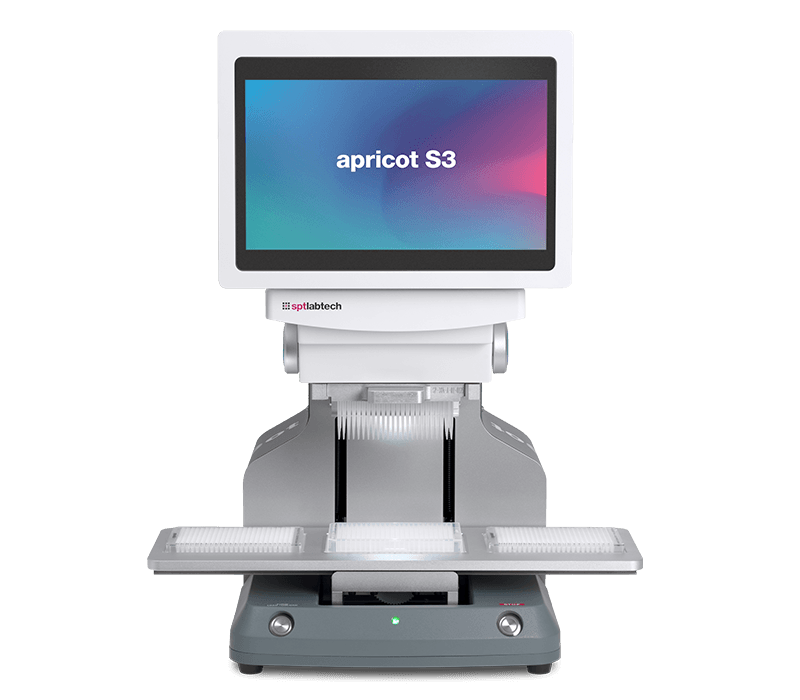
lh018-s3-front
dragonfly_front_transparent-1
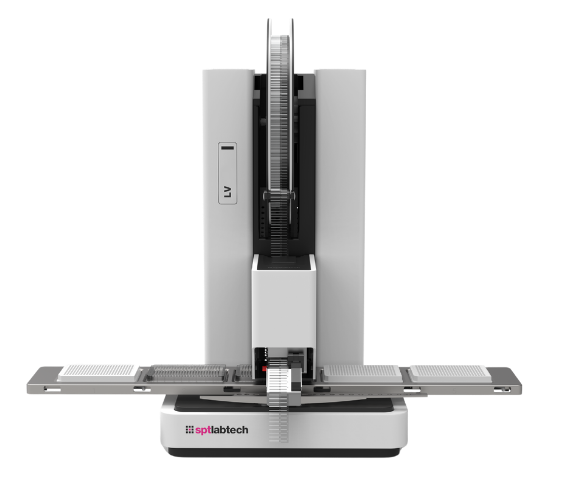
Mosquito LV transparent

Our liquid handling solutions are designed to meet the diverse needs of modern laboratories. Whether you require high-throughput screening or precise low-volume dispensing, SPT Labtech offers a range of automated liquid handling systems that deliver exceptional performance and reliability.

aad-icon

High-Throughput
Pipetting

Our systems can process thousands of samples with high accuracy, ensuring consistent results across all experiments.

Learn more
aad-icon

Low-Volume
Dispensing

For applications requiring precise dispensing of small volumes, our liquid handling robots provide unmatched precision and control.

Learn more
aad-icon

Versatile
Platforms

SPT Labtech’s liquid handling platforms are compatible with various labware and can be customized to suit specific experimental needs.

Learn more

Sample Management: 


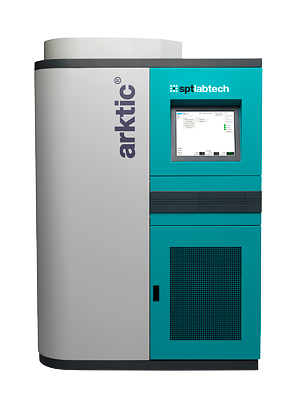
arktic_center_banner
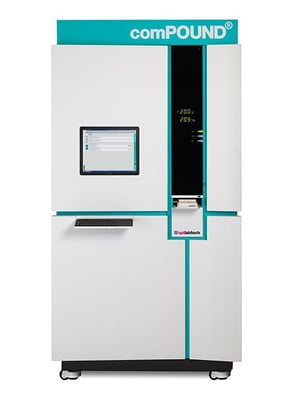
comPOUND-product---intro
comPACT_2491 copy-1
XL20_2379 copy-2

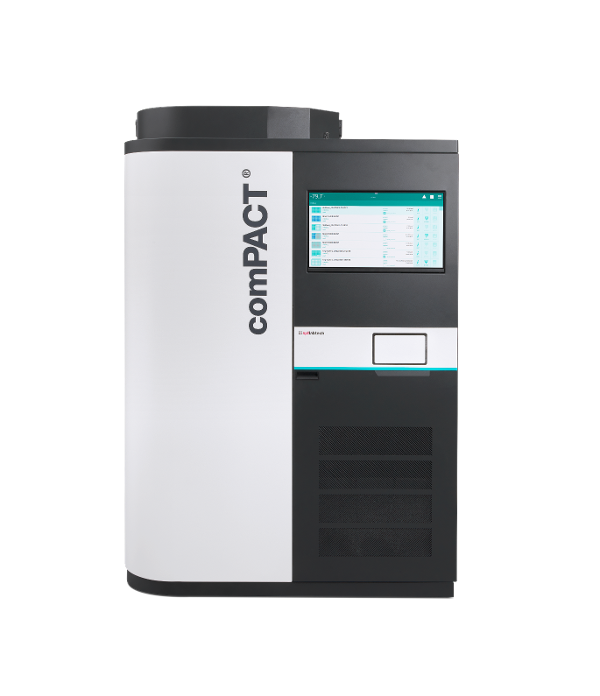
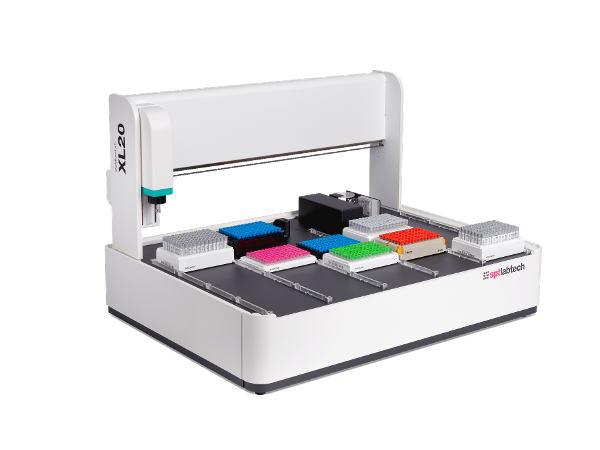
Efficient sample management is crucial for maintaining the integrity and traceability of biological specimens. SPT Labtech’s sample management solutions ensure that your samples are stored, tracked, and retrieved with the highest level of precision.

text-modual-icon3

Automated
Storage Systems

Our automated storage systems offer secure, temperature-controlled environments for long-term sample preservation.

Learn more
text-modual-icon3

Sample
Tracking

Advanced tracking systems ensure that every sample is accounted for, reducing the risk of misplacement or contamination.

Learn more
text-modual-icon3

Integrated Solutions
Tracking

Our sample management technologies can be seamlessly integrated with existing laboratory information management systems (LIMS) for streamlined operations.


Learn more

Why choose SPT Labtech?

At SPT Labtech, we are committed to delivering cutting-edge lab automation solutions that drive scientific innovation. Our products are designed with the end-user in mind, offering intuitive interfaces, robust performance, and flexibility to meet the evolving demands of the biotech industry.

Expertise
Expertise
With years of experience in the field, our team of experts understands the unique challenges of laboratory automation and provides tailored solutions to meet your needs.
Innovation
Innovation
We continuously invest in research and development to bring the latest technological advancements to our customers.
Support
Support
Our dedicated support team is always available to assist with installation, training, and troubleshooting, ensuring you get the most out of our automation systems.

Lab automation is transforming the landscape of biotechnology, offering unprecedented levels of efficiency, accuracy, and scalability. SPT Labtech stands at the forefront of this revolution, providing state-of-the-art liquid handling and sample management solutions that empower researchers to achieve their scientific goals. Explore our range of automation products and discover how we can enhance your laboratory workflows.

Useful Resources on Automation

Social 1 Biosero - Round 2 (3)

36 mins

Webinar - Streamline your liquid handling with scalable, integrated automation
Watch video
Future of Automated Pipetting (1)

25 mins

Future of Automated Pipetting
Watch video
Genome Web Webinar Banner

20 mins

Driving Throughput in tRNA Sequencing Library Generation With Automated Liquid Handling
Watch video

Frequently Asked Questions

Lab automation is the use of robotics, software, and integrated systems to carry out laboratory tasks - from sample preparation and pipetting to high-throughput screening and data analysis - with minimal manual intervention. It replaces repetitive manual steps with consistent, programmable workflows across research, clinical, and industrial labs.

Costs range from single-instrument liquid handlers to full integrated robotic systems, and the right scale depends on sample volume and workflow complexity. The return typically comes from time saved (one customer cut a 12-day manual workflow to 3 days), reduced reagent and material waste through miniaturization, and fewer costly reprocessing runs caused by manual error.

Four categories cover most labs: modular lab workstations for a single task done at scale, integrated robotic systems that chain multiple steps together, automated liquid handlers for pipetting and dispensing, and scheduling/control software that coordinates everything and captures data for compliance.

Smaller labs benefit most when they run repetitive or time-sensitive tasks, are scaling up sample volumes, or operate under regulatory requirements like GLP or GMP where traceability matters. Modular, bench-top systems let a smaller lab automate a single bottleneck step without committing to a full robotic installation.

It varies by workflow, but customers have seen measurable gains within weeks of installation - a new user with no automation experience had a validated protocol running within 2 days in one documented case. Full payback timelines depend on sample throughput and labor costs, but the biggest early wins are usually in freed-up scientist time and reduced error-driven rework.